Coastal hotspots around Banjul
Kotu Bridge
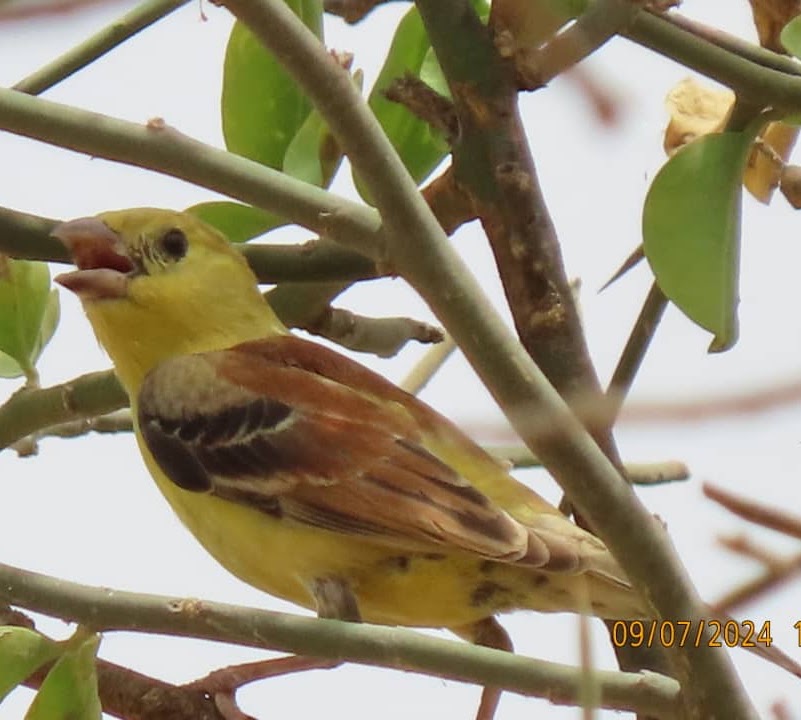
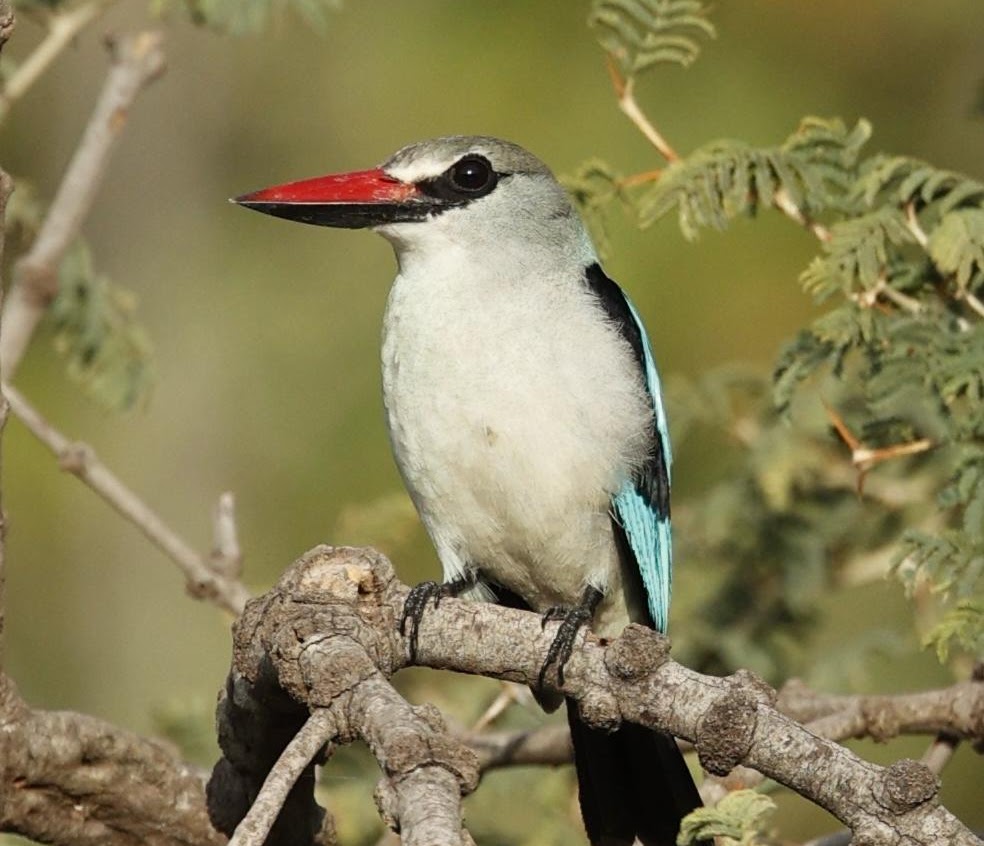
The Kotu Bridge area serves as the gateway to some of the most accessible and rewarding birding in The Gambia, offering a diverse mosaic of mangrove creeks, rice paddies, and sewage ponds. Standing on the bridge itself you can watch watch Giant, Pied, Malachite, and Blue-breasted Kingfishers as they hunt in the shallows. A nearby nature trial lead through birdy wetland and wooded areas, leading to accesible sewage ponds. In addition, a cycle track can be very productive with beeeaters and rollers common and a side trail leads to a hide for viewing Painted snipe.
Brufut Woods
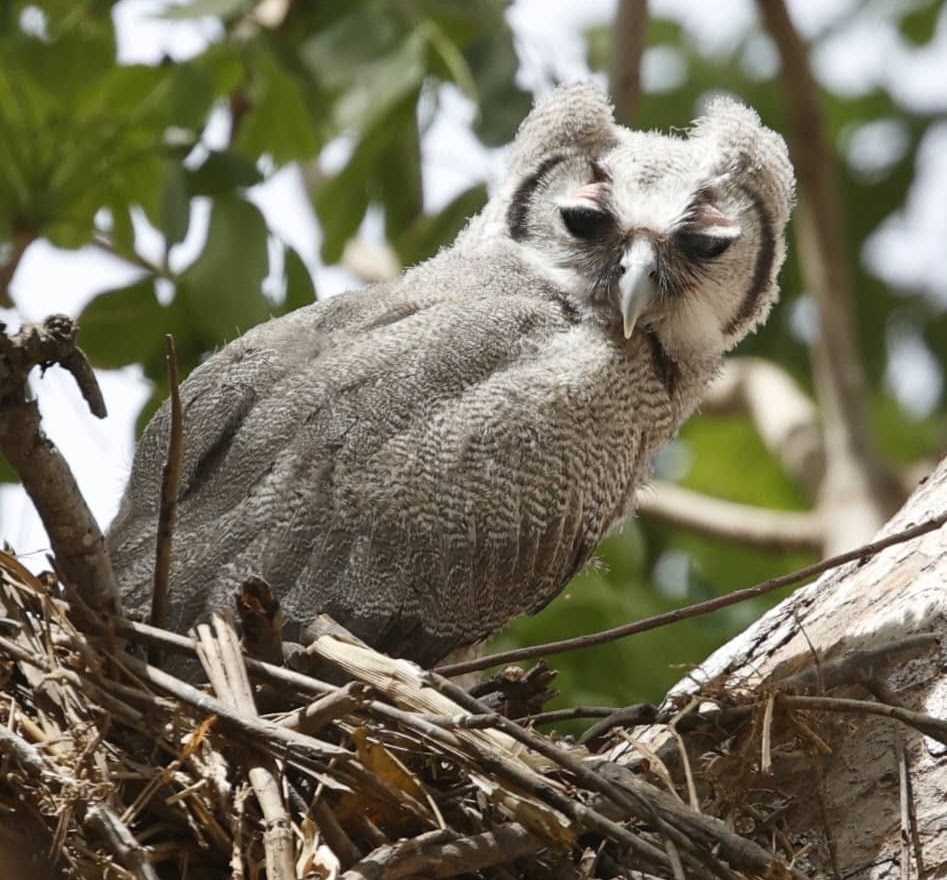
Brufut Woods consists of coastal scrub and savanna-type woodland. This community-protected reserve, managed by the West African Bird Study Association, is dominated by thick evergreen thickets and broad-leafed deciduous trees, interspersed with towering Baobabs and various Ficus species. This diversity allows a large density of avian life and visitors are often treated to sightings of the majestic Verreaux’s Eagle-Owl in the high canopy and the camouflaged Long-tailed Nightjar roosting on the forest floor. The woodland also has Swallow-tailed Beeeaters, Violet Turacos, the striking Yellow-crowned Gonolek and numerous other species. For photographers, the community-maintained drinking pots offer an intimate look at shy species like the Grey-headed Bristlebill as they emerge from the tangled undergrowth.
Kartong Ponds and Wetlands
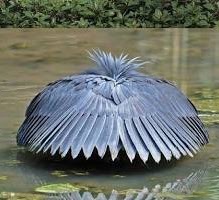
Nestled at the southernmost tip of The Gambia, Kartong Nature Reserve is a premier birding destination renowned for its diverse mosaic of habitats, including permanent freshwater lagoons, reedbeds, coastal dunes, and mangroves. This unique “patchwork” landscape, boasts over 375 species of resident West African birds and Palearctic migrants. Birdwatchers can expect spectacular sightings of the African Pygmy Goose, the elusive African Finfoot, and the Greater Painted-snipe, and a chance to see the Black Heron performing its iconic “umbrella” fishing technique. From the Giant Kingfisher patrolling the wetlands to the White-fronted Plover on the shoreline, Kartong showcases the very best of Gambian birds.
Tanji Bird Reserve
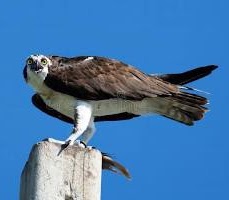
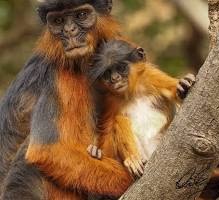
Spanning 612 hectares along the Atlantic coast, the Tanji Bird Reserve is a premier destination for birders, offering mangrove forests, coastal dune scrub, and dry savanna woodland. This diverse landscape serves as a vital sanctuary for over 300 bird species, ranging from the iconic Caspian Terns and Ospreys to the Blue-bellied Rollers and Giant Kingfishers. Tanji is a vital stronghold for West African biodiversity such as nesting Green Sea Turtles on the offshore Bijol Islands and the rare Western Red Colobus monkeys in the canopy,. Visitors are welcome to the reserve to help fund the ongoing protection of this fragile corridor against local encroachment
Tujering Woods and Gunjur Forest
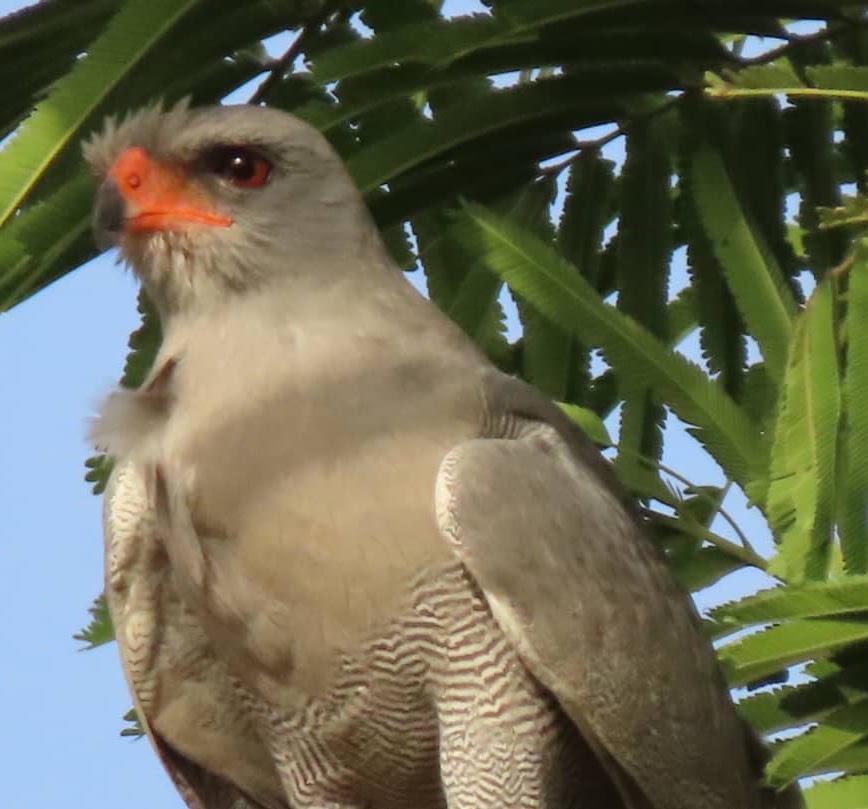
Tujering Woods and Gunjur Forest are productive birding destinations in The Gambia, each offering a distinct ecological experience along the southwest coast. Tujering is characterized by open savannah woodland and acacia scrub, making it a premier site for spotting dry-country specialists like the White-fronted Black-chat, Chestnut-crowned Sparrow-weaver, and various raptors perched in its sparse canopy. In contrast, Gunjur features a denser gallery forest and coastal scrub habitat that provides a refuge for more elusive species such as the Puvel’s Illadopsis, Green Turaco, and various honeyguides. Together, these sites provide a comprehensive look at West African avian diversity, ranging from the sun-drenched plains of Tujering to the lush, shaded undergrowth of Gunjur.
Abuko and Lamin rice fields
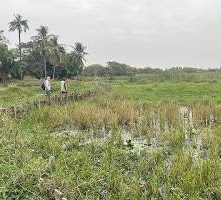
Abuko Nature Reserve and the adjacent Lamin Rice Fields are two distinct ecosystems within walking distance of each other. Abuko Nature Reserve is characterized by dense gallery forest and Guinea savannah, where the thick evergreen canopy and freshwater pools provide a sanctuary for forest specialists like the Turacos, Western Bluebill, and the Snowy-crowned Robin-chat, while Western Red Colobus monkeys move through the trees. In contrast, the Lamin Rice Fields consist of open wetland agriculture and marshes that attract a completely different variety of species. Here, the paddies are home to African Jacanas, Hamerkops, and the vibrant Blue-bellied Roller. Birders typically combine the two sites for a comprehensive look at The Gambia’s birdlife, ranging from secretive forest skulkers to bold wetland waders.
Farusuto Forest Nature Reserve
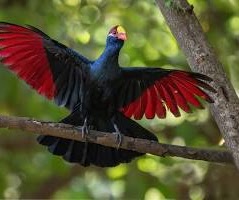
Located near the village of Kuloro, the Farasuto Forest Community Nature Reserve is a vital 4.5-hectare relict of wet evergreen forest that offers an intimate and rewarding experience for birdwatchers and photographers. Originally preserved as a traditional ceremonial site, this community-run sanctuary is now a haven for rare forest-obligate species, including the Violet Turaco, African Wood Owl, and the elusive White-backed Night Heron. Visitors can enjoy exceptional sightings from dedicated photo-hides or explore a diverse landscape of gallery forest, mangroves, and freshwater pools. Just a short drive from The Gambia’s coastal resorts, Farasuto provides a tranquil escape into a unique and carefully protected ecosystems.
Pirang Bonto Forest
The Pirang-Bonto Forest is a rare and important area of primary gallery forest in The Gambia, characterized by a 30-meter-high evergreen canopy that preserves a cool, humid microclimate distinct from the surrounding savannah. This dense habitat is a sanctuary for forest specialists found infrequently elsewhere in the country, most notably the elusive Puvel’s Illadopsis, alongside other rare residents like the White-spotted Flufftail, African Wood Owl, and Green Turaco. Beyond its avian diversity, the forest serves as a critical refuge for all four of the nation’s primate species—including the endangered Temminck’s Red Colobus, and supports a rich ecosystem that transitions from high forest to mangroves and salt flats, making it one of West Africa’s most significant biodiversity hotspots.
Marakissa Woods
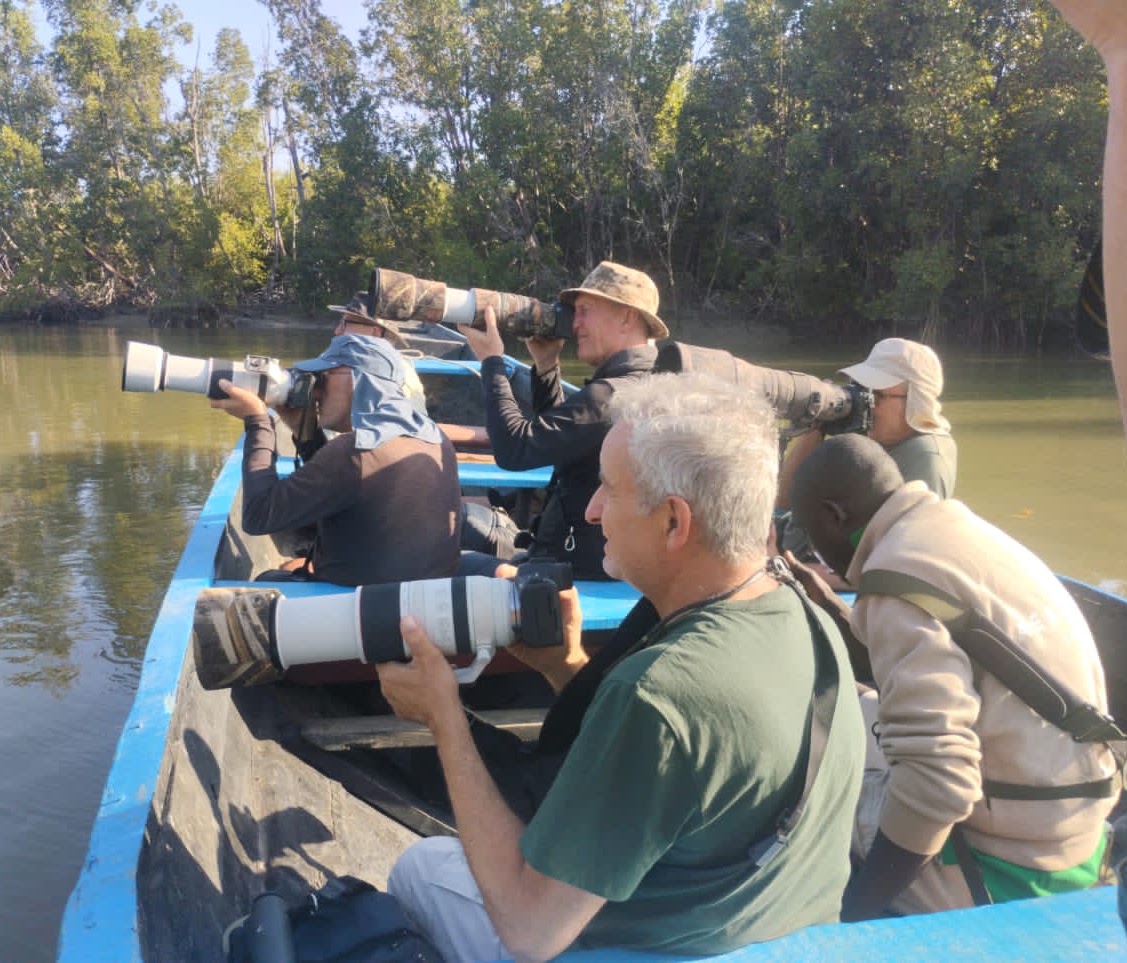
Situated roughly five kilometers south of Brikama in Southwestern Gambia, Marakissa Woods is known for its diverse ecosystems. Lush gallery forests lining the Allahein River transition into freshwater wetlands, rice fields, and open savanna. This ecological variety makes it ideal or birdwatchers, who often base their visit around the famous Marakissa River Camp. Visitors can observe shy species like the Greater Honeyguide and Orange-cheeked Waxbill at eye-level drinking bowls, or take a silent dugout canoe trip to spot the majestic Giant Kingfisher and the elusive African Blue Flycatcher. From the striking Violet Turaco flashing through the canopy to the Black Heron performing its signature “umbrella fishing” in the shallows, Marakissa offers an intimate and highly productive encounter with some of West Africa’s most stunning birds,
Inland up the River Gambia
Tendaba Camp
Nestled on the banks of the River Gambia a couple of hours drive from Banjul, Tendaba servies as a gateway to the sprawling mangroves of the Bao Bolong Wetland Reserve and the rugged wilderness of Kiang West National Park. As the Gambia’s largest wildlife reserve, Kiang is renowned for its incredible raptor diversity—including the iconic Bateleur and Martial Eagle—and rare woodland specialties like the Abyssinian Ground Hornbill and the elusive White-fronted Black-chat. Navigating winding “bolongs” by boat to spot the African Finfoot or exploring the park’s Bateling Bush Track can be very productive. In addition there are several sites en route to the camp such as the raptor viewing point at Kampati, and the community forest, Killay Woods.
Kampanti Raptor Spot, Killay Woods and Sotokoi Woods
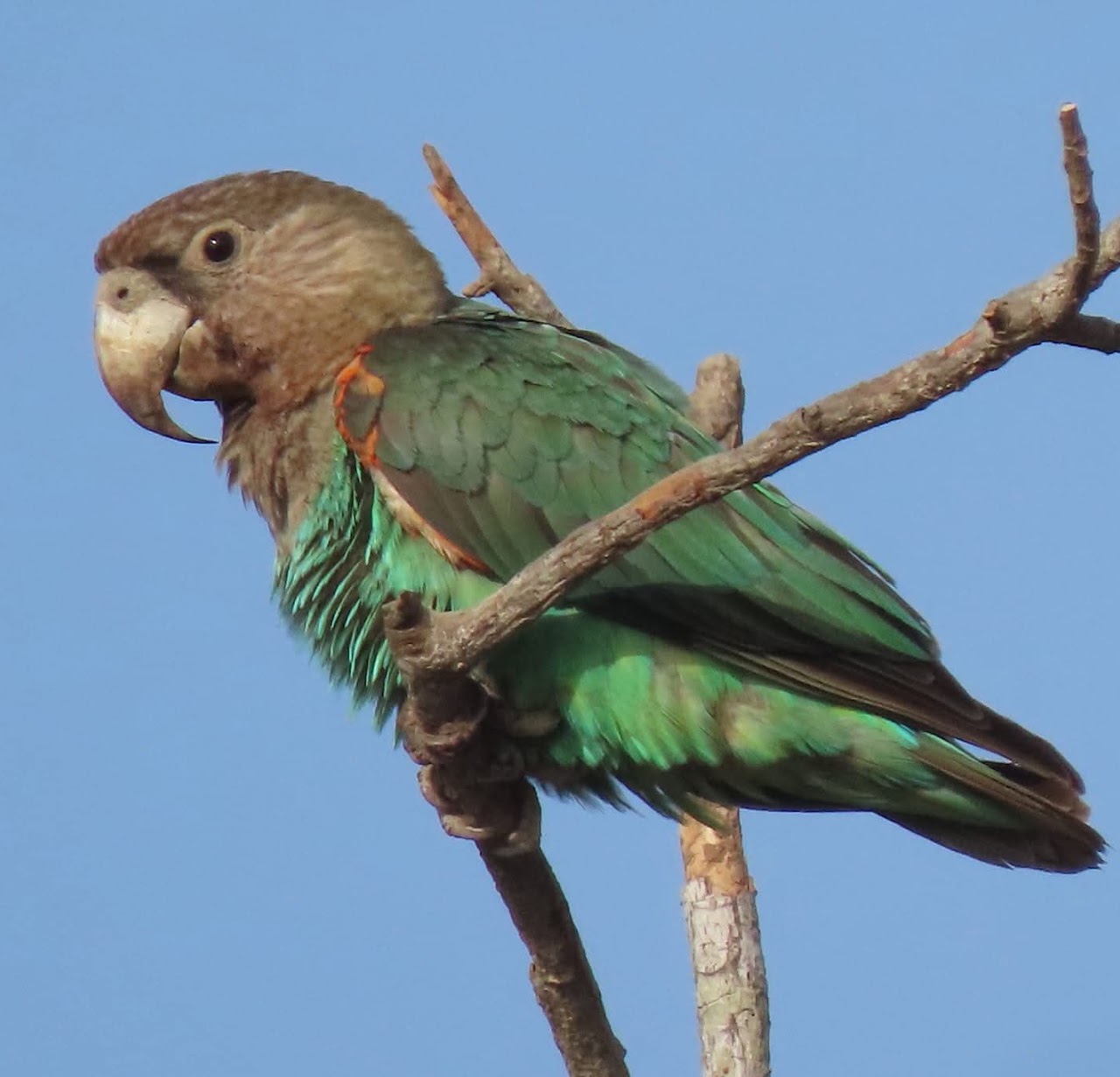
All located on the Southbank of the River Gambia before reaching Tendaba Camp and provide some great birding and photography opportunities. The Kampanti Raptor spot attracts birds of prey due to a sream running through the site that lowers temperatures slightly. many species are frequent including Grasshopper Buzzard, Western Banded Snake-eagle and Martial Eagle. Nearby is Killay Wood, an area of scattered trees that is good for Black-faced Firefinch, Brown-rumped and White-fronted Black Chat. Sotokoi Woods is another hotspot where you can find species such as Brown-necked parrot, Black-shouldered Kite, African Scops Owl and Long-crested Eagle. In addition, Wurokang and Batelling Track are located near Tendaba Camp and host a range of species including Temminck’s Courser, Abyssinian Crowned Hornbill, Brubru and White-crested Helmet Shrike
Northbank after Senegambia Bridge
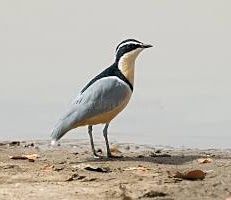
The area around Morgan Kunda Lodge on the northband of the river holds a number of good sites: Kanchang Woods where you can observe Speckle-fronted weaver, Spotted Thick-knee, Western Marsh Harrier and many more. Conteh Kinta woods on the other hand, has Savel’s Bustard, African Exclamatory Paradise Whydah, and Rufous Scrub Robin to name a few. Travelling further East towards Georgetown, we come to Kaur Wetlands (White-crowned Plover, Water coloured Pratincole, and other wetland species) and the excellent Njawo water hole. Here, the enigmatic Egyptian Plover can be found along with Pintail Whydah, and Verreaux’s Eagle Owl. Further still, Wassup Quarry has Red-throated Beeeater, Cut-throat Finch and Little Green Beeeater.
Sites around Georgetown
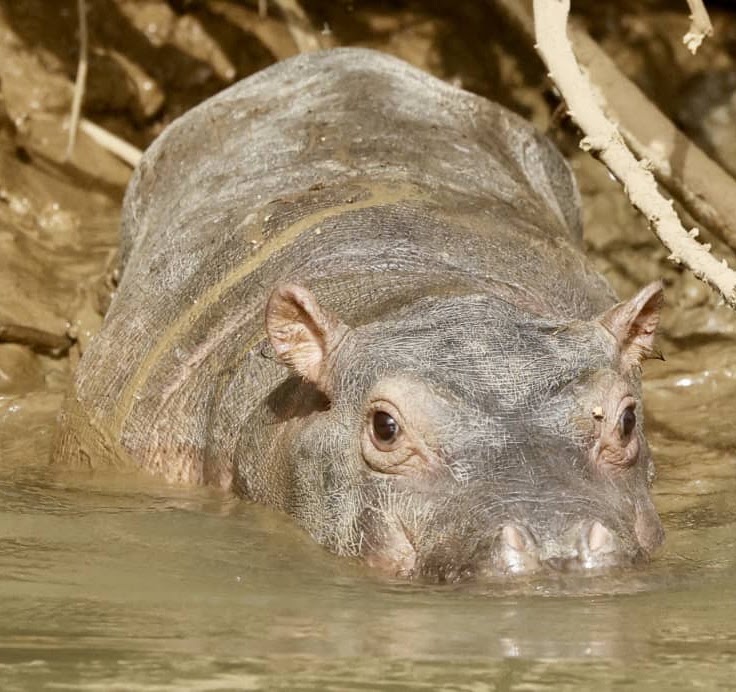
Georgetown or Janjanbureh is a premier birding area in The Gambia, offering access to riverine forests, rice fields, and dry savannahs from its location on MacCarthy Island. The town itself is a base for boat trips to spot the elusive African Finfoot, Shining-blue Kingfisher, and Pel’s Fishing Owl along the riverbanks. Nearby, the Bansang Quarry is a must-visit for its spectacular colony of Red-throated Bee-eaters. From Georgetown, we can cross back to the Southbank to explore several other hotspots : Jahally Rice Fields (Black Coucal, Quail Finch), Kudang Woods (Carmine Beeeater, Zebra Waxbill, Little Bittern), Dalaba Wetlands (Pygmy Goose, African Jacana) and Jarra Buiba Wetlands (Black-crowned Crane).
Across the border to Senegal
Senegal offers great birding opportunities by bridging the arid Sahelian scrub of the north with the lush gallery forests and mangroves of the south. Key habitats include the Djoudj National Bird Sanctuary, one of the world’s most significant freshwater wetlands, and the riparian woodlands of the Niokolo-Koba region. These environments support a wide variety of specialty species, ranging from rarities like the Quail-plover, Golden Nightjar, and Sudan Golden Sparrow to riverine prizes such as the Egyptian Plover, Pel’s Fishing Owl, and African Finfoot. Additionally, the country serves as a vital corridor for Palearctic migrants and hosting massive colonies of Great White Pelicans and wintering Scissor-tailed Kites. Other species that can be found are Black Scrub Robin, Cricket Warbler, Blue-naped Mousebird, Little Grey Woodpecker, and many more. A visit to Dindinfello Waterfall near Keduku is highly recommended.